
Westace Virtual Sports: Wenn echter Sport pausiert
- 31 de agosto de 2026
- Sin categoría
 por asf
Bluffing is not just a strategic move in poker; it is an intricate dance of psychology and perception. Understanding the mental state of your opponents is crucial when attempting to deceive them. Players often rely on reading body language, facial expressions, and betting patterns to gauge whether someone is bluffing or holding a strong hand, especially when using sports betting sites canada to enhance their strategies. The key is to master the art of misdirection, making your opponents believe in the strength of your hand while concealing your true intentions.
To effectively bluff, one must also be aware of their own emotions. Confidence plays a significant role; if you appear nervous or uncertain, experienced players may catch on to your deception. Therefore, it’s essential to maintain a calm demeanor and project assurance, even when your hand is weak. Cultivating a ‘poker face’—an expression that reveals little—can significantly enhance your ability to bluff successfully.
Moreover, understanding the betting dynamics around the table adds another layer of complexity. For instance, if a player consistently bets aggressively, they may be seen as more trustworthy, which can actually work to your advantage as a bluffer. By analyzing how others behave in different situations, you can tailor your bluffs to become more effective, leveraging their expectations against them.
Knowing when to bluff in a poker game can be as critical as the bluff itself. Timing is everything; bluffing too often can lead to losing credibility, while bluffing too infrequently may result in missed opportunities. The ideal moment to bluff is often when the community cards present a scenario where the opponent’s hand could be weak. For example, if the board shows cards that indicate a possible flush or straight, many players might fold if they suspect a strong hand, providing a tempting opportunity for a well-timed bluff.
Your table image also affects your bluffing strategy. If you have established yourself as a tight player who only bets on strong hands, opponents are more likely to take your aggressive moves seriously. Conversely, if you’ve been playing loosely, your bluffs may be less effective because players will expect you to have weaker hands. Assessing your image and adjusting your strategy accordingly plays a crucial role in bluffing successfully.

Additionally, consider the tendencies of your opponents. Some players are more prone to fold under pressure, while others may be overly aggressive, making them easy targets for a bluff. Pay attention to how they behave in various situations; if you spot a player who is likely to fold, seize the moment and make your move. This assessment not only enhances your bluffing game but also equips you with the skills necessary to adapt to different playing styles.
As you become more familiar with the basics of bluffing, exploring advanced techniques can elevate your game to new heights. One such technique is the “semi-bluff,” which involves betting or raising with a hand that has the potential to improve on later streets. For example, if you have a flush draw, you can represent a strong hand while still having a chance to complete your flush. This not only puts pressure on your opponents but also gives you a chance to win even if your bluff is called.
Another effective technique is ‘table image manipulation.’ This involves altering how opponents perceive your style of play throughout the game. If you’ve been playing conservatively, you might switch gears and suddenly become aggressive. This unexpected shift can lead your opponents to misread your hand strength, making your bluffs more effective. The key is to stay unpredictable and keep your opponents guessing about your true intentions.
Finally, consider the ‘double-barrel bluff,’ where you bet on both the flop and the turn. This technique can be highly effective if the board texture suggests a strong hand. By continuing to show strength on the turn, you not only pressure your opponents to fold but also set the stage for potential further betting on the river. This layered approach to bluffing can confuse opponents and lead to lucrative outcomes when executed skillfully.
Reading opponents is crucial in poker, and it becomes a fundamental skill when attempting to bluff effectively. Knowing how to interpret betting patterns can reveal much about the strength of their hands. For instance, a player who consistently raises pre-flop but checks after the flop is likely uncertain about their hand strength. Recognizing such signals allows you to determine whether a bluff might succeed, as they may be hesitant to call an aggressive bet.
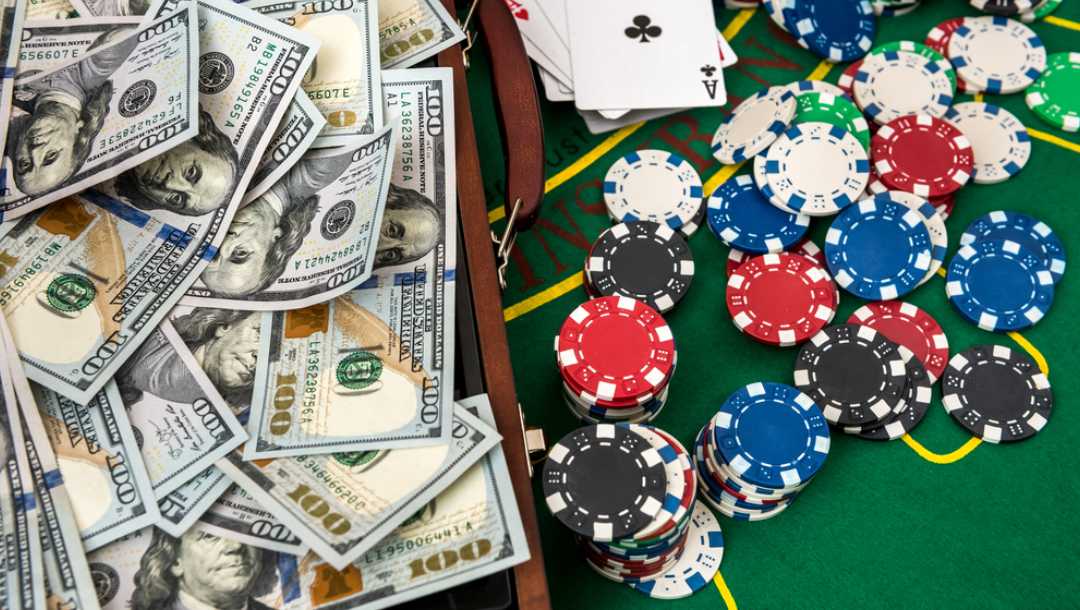
Moreover, paying attention to the physical tells of your opponents can provide valuable insights. Nervous habits, such as fidgeting or avoiding eye contact, may suggest weakness. Conversely, confident players may exhibit relaxed body language and maintain eye contact, indicating strength. These subtle cues can help you gauge when to apply pressure through bluffing or when to hold back and play more conservatively.
Lastly, understanding the emotional state of your opponents adds another dimension to your reading skills. If you notice a player who has just lost a significant hand, they may be more susceptible to a bluff as they might be eager to reclaim their losses. Conversely, players who recently won may be more confident and less likely to fold. Being attuned to the emotional climate of the table can empower you to make more informed decisions during crucial moments.
Mastering the art of bluffing in poker is an ongoing journey that requires practice, patience, and a deep understanding of both the game and its players. The ability to bluff effectively can set you apart from other competitors, making you a formidable force at the table. It is essential to blend psychological insight with strategy and adaptability to achieve success.
For those looking to further enhance their bluffing skills, numerous resources are available. Online forums, instructional videos, and strategy guides can provide fresh perspectives and techniques that keep your game sharp. Engaging with fellow poker enthusiasts can also help you gain insights into different styles of play and how bluffing is approached in various scenarios.
In conclusion, whether you are a novice or an experienced player, honing your bluffing skills can significantly improve your overall poker experience. Each game provides new opportunities to practice and refine this crucial aspect of the game. So, embrace the challenge, explore different strategies, and remember that the key to effective bluffing lies in observation, practice, and psychological prowess.
Inhalt Was sind Virtual Sports und... Leer más
A mai világban az online kaszinók... Leer más
The Psychology of Bluffing Bluffing is... Leer más
Proin sagittis dolor sed mi elementum pretium. Donec et justo ante. Vivamus egestas sodales…
Proin sagittis dolor sed mi elementum pretium. Donec et justo ante. Vivamus egestas sodales…
Lorem ipsum dolor sit amet, consectetur adipiscing elit. Suspendisse vitae sapien vitae massa eleifend…
Lorem ipsum dolor sit amet, consectetur adipiscing elit. Suspendisse vitae sapien vitae massa eleifend…

Un comentarista de WordPress en ¡Hola, mundo!
Hola, esto es un comentario. Para empezar a moderar, editar y borrar comentarios, por…